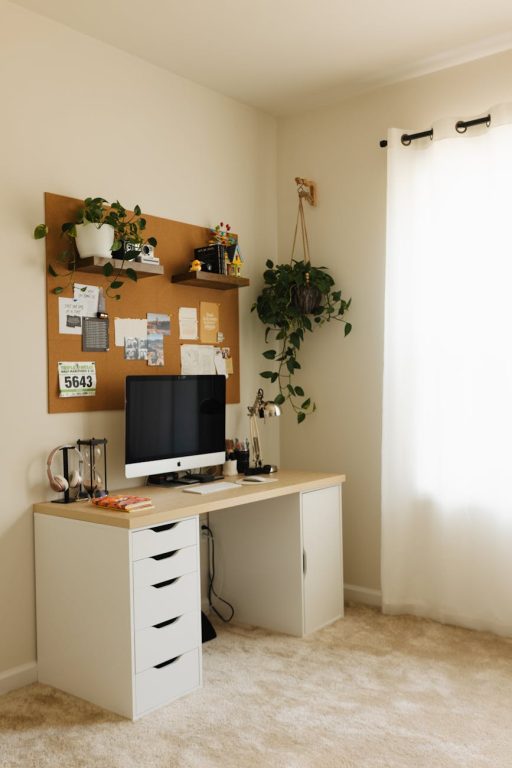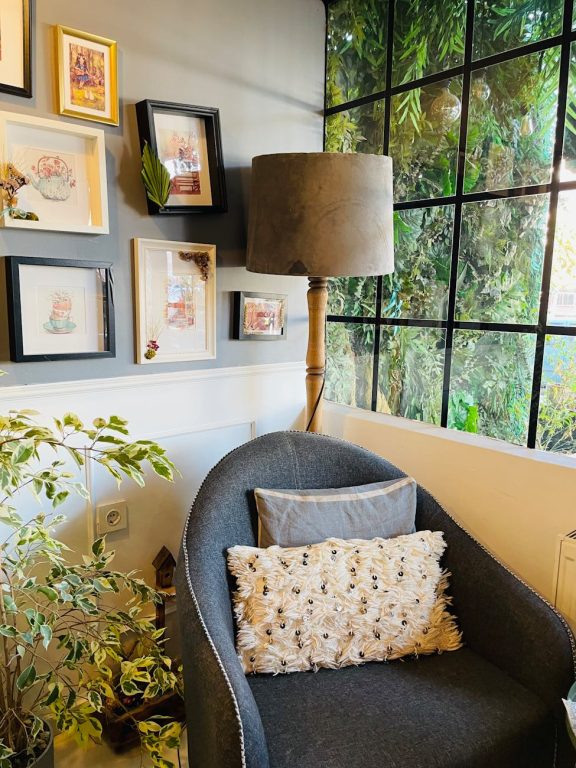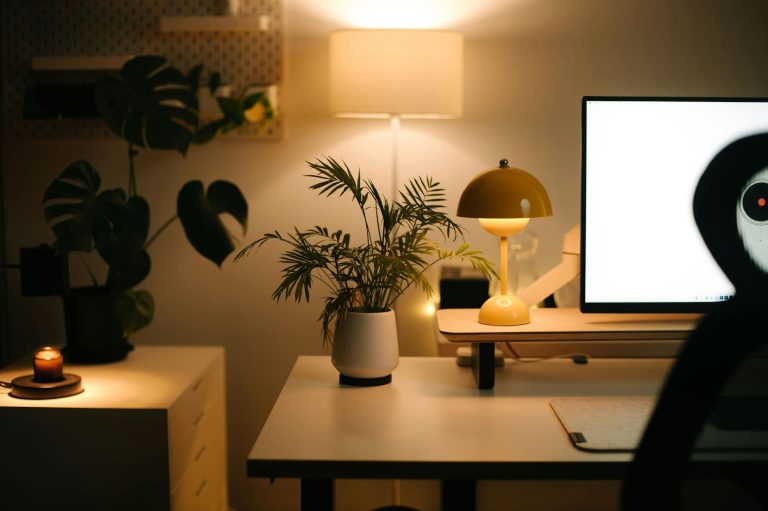

Creating a home office that is both comfortable and productive can greatly improve your work-from-home experience. Whether you have a dedicated room or a small corner, thoughtful design and organization can make a significant difference. Here are some helpful tips to set up a workspace that supports your focus and well-being.
Choose the Right Location
Find a Quiet Spot
Select a space that is as quiet as possible to minimize distractions. If you live with family or roommates, consider a room with a door that can be closed. A quiet environment helps maintain concentration during calls and focused tasks.
Consider Natural Light
Natural light can boost your mood and energy levels. Set up your desk near a window if possible. Avoid glare on your computer screen by positioning your monitor perpendicular to the window.
Invest in Comfortable Furniture
Ergonomic Chair
An ergonomic chair supports good posture and reduces the risk of discomfort or pain. Look for adjustable height, lumbar support, and cushioned seating. Comfort is key since you’ll be sitting for extended periods.
Suitable Desk Size
Choose a desk that fits your needs, allowing enough space for your computer, documents, and other tools. A clutter-free surface helps keep your mind clear.
Organize Your Workspace Efficiently
Use Storage Solutions
Incorporate shelves, drawers, or organizers to keep supplies and paperwork tidy. Label containers to quickly find what you need and minimize clutter.
Limit Desk Items
Keep only essential items on your desk to reduce distractions. Having a clean and organized surface makes it easier to focus.
Optimize Your Technology Setup
Reliable Internet Connection
A stable and fast internet connection is essential for virtual meetings and research. Consider upgrading your router or using a wired connection for better performance.
Quality Equipment
Invest in a good computer, headset, keyboard, and mouse. Comfortable and efficient equipment supports productivity and reduces strain.
Personalize Your Space
Add Plants or Artwork
Bringing in plants or artwork can make your workspace inviting and inspiring. Plants also improve air quality, which contributes to a healthier environment.
Choose Calming Colors
Use colors that promote calm and focus, such as blues, greens, or neutrals. Personalize your space with items that motivate you without causing clutter.
Manage Lighting Effectively
Combine Natural and Artificial Light
Supplement natural light with adjustable lamps to avoid eye strain. Desk lamps with adjustable brightness and color temperature help create the right ambiance at different times of day.
Reduce Screen Glare
Adjust your monitor brightness and position, and consider using anti-glare screen protectors to minimize eye fatigue.
Set Boundaries and Routine
Define Work Hours
Even at home, keeping regular work hours helps separate professional tasks from personal time. Communicate your schedule with family or housemates.
Take Breaks
Plan short breaks to stretch, move around, and rest your eyes. Breaks improve focus and prevent burnout.
Maintain Good Air Quality and Comfort
Ventilation
Ensure your workspace is well ventilated. Fresh air helps maintain alertness and comfort.
Temperature Control
Maintain a comfortable room temperature. Use fans or heaters as needed to adjust the environment to your preference.
Keep it Flexible
Modular Furniture
If possible, use modular furniture or movable items that allow you to rearrange your space based on your tasks or mood.
Standing Desk Option
Consider a desk that can convert to standing height. Alternating between sitting and standing promotes better circulation and reduces fatigue.
—
By following these tips, you can create a home office that supports your productivity and comfort. A well-designed workspace not only makes working from home more enjoyable but also helps maintain a healthy work-life balance. Remember, the best home office is one that fits your unique needs and encourages you to do your best work every day.