
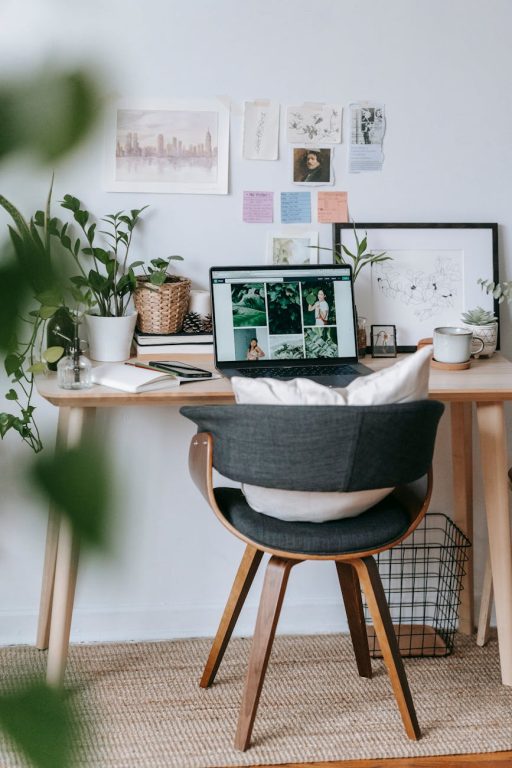
Creating a cozy and productive home workspace is essential for anyone working or studying from home. Whether you have a dedicated room or just a corner of your living area, making your workspace comfortable and efficient can make a big difference in your focus and well-being. Here are some practical tips to help you set up a home office that feels inviting and supports productivity.
Choose the Right Location
The first step in creating the perfect workspace is selecting the best spot in your home. Ideally, look for a quiet area with minimal distractions. If possible, choose a space near a window to benefit from natural light, which can improve mood and energy levels.
– Avoid high-traffic zones to reduce interruptions.
– Consider proximity to essential amenities, such as your internet router or power outlets.
– If space is limited, use room dividers or screens to separate your workspace from the rest of the home.
Invest in Comfortable Furniture
Comfort is key to maintaining productivity during long work sessions. Choose furniture that supports good posture and reduces strain.
– Desk: Opt for a desk of the right height to keep your arms at a 90-degree angle while typing.
– Chair: Invest in an ergonomic chair with adjustable height and lumbar support.
– Accessories: Use a footrest if needed and consider a monitor stand to keep screens at eye level.
Optimize Lighting
Lighting impacts your alertness and eye comfort. Aim for a mix of natural and artificial lighting.
– Position your desk so that natural light comes from the side to avoid glare on your screen.
– Use warm white LED bulbs that mimic daylight.
– Have a desk lamp for focused task lighting during darker hours.
Organize Your Space Effectively
A clutter-free workspace reduces stress and distraction, helping you stay focused.
– Use trays, shelves, and organizers to keep supplies neatly arranged.
– Keep only essential items on your desk.
– Regularly declutter to maintain order.
Personalize Your Workspace
Adding personal touches makes your workspace feel inviting and motivating.
– Display a few meaningful photos or artwork.
– Add a plant or two to bring some greenery and improve air quality.
– Choose a color scheme that soothes you or energizes you, depending on your preference.
Manage Noise Levels
Noise can disrupt concentration, so find ways to minimize unwanted sounds.
– Use noise-canceling headphones or play gentle background music.
– Consider white noise machines if nearby noise is unavoidable.
– Soft furnishings like rugs and curtains also help absorb sound.
Establish Clear Boundaries
Working from home means your workspace can easily blend into personal time. Setting boundaries helps maintain work-life balance.
– Create a dedicated workspace separate from relaxation areas.
– Set specific work hours and communicate them with family or housemates.
– When not working, try to leave your workspace to mentally switch off.
Incorporate Technology Wisely
Technology is a helpful tool but can also be distracting if unchecked.
– Keep cables organized with clips or sleeves to avoid mess.
– Use apps or timers to boost focus and take regular breaks.
– Ensure your internet connection is stable to reduce frustration.
Keep Essentials Within Reach
Efficiency improves when you don’t have to get up frequently to grab items you need.
– Place frequently used supplies, such as notebooks, pens, and chargers, nearby.
– Use a small drawer or desk caddy for quick access.
Take Breaks and Move
Even the best workspace won’t help if you don’t take care of your body.
– Stand up and stretch or walk around every hour.
– Use a sit-stand desk if possible to alternate between sitting and standing.
– Consider simple exercises or mindfulness breaks to recharge.
—
Designing a home workspace that is both cozy and productive doesn’t have to be complicated. By focusing on comfort, organization, lighting, and personal touches, you can create an environment that supports your best work while making time spent at home more enjoyable. Start small, adjust as you go, and find the setup that works best for you.