
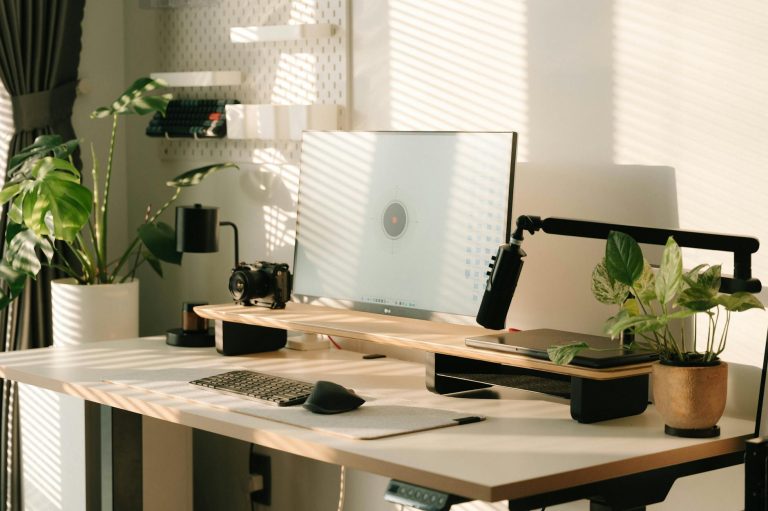
Creating a relaxing home workspace is essential for maintaining productivity and comfort throughout your workday. Whether you work remotely full-time or need a dedicated spot for occasional tasks, your home office should be a space that helps you focus while also reducing stress.
In this post, we’ll explore practical ideas and expert tips to help you design a workspace that promotes relaxation and efficiency. From choosing the right furniture to optimizing lighting, these strategies can transform any corner of your home into an inspiring and cozy work environment.
Why a Relaxing Workspace Matters
A well-designed workspace does more than just hold your computer and office supplies—it can impact your mood, energy levels, and output. Stressful or uncomfortable settings may lead to distractions, decreased motivation, and physical discomfort, while a calming, supportive area fosters concentration and longer periods of focus.
Choosing the Right Location
Consider Natural Light
Start by selecting a spot in your home that receives plenty of natural light. Exposure to daylight helps regulate your body’s internal clock, improves mood, and reduces eye strain. If possible, position your desk near a window but avoid glare on your screen by using adjustable blinds or curtains.
Minimize Noise and Distractions
If you live in a busy household or near a noisy street, pick a quieter room or use soundproofing solutions to limit interruptions. Noise-canceling headphones can also be a great help when external sounds are unavoidable.
Invest in Comfortable Furniture
Ergonomic Chair and Desk
Comfort is key in a workspace. Invest in an ergonomic chair that supports your lower back and encourages good posture. Your desk height should allow your forearms to rest comfortably when typing, keeping your wrists straight and shoulders relaxed.
Flexible Arrangement
Consider furniture that you can easily adjust or move to suit your tasks or mood. A sit-stand desk, for example, lets you change positions throughout the day, which can improve circulation and reduce fatigue.
Optimize Your Lighting
Layered Lighting Ideas
Good lighting reduces eye strain and boosts alertness. Combine ambient lighting (such as ceiling lights) with task lighting (like a desk lamp). Choose warm light bulbs to create a soothing atmosphere or cool white bulbs to stay alert during detailed work.
Avoid Harsh Reflections
Position lights to avoid harsh shadows or screen glare. Diffusers or lampshades can soften light while maintaining adequate brightness.
Add Soothing Colors and Decor
Calming Color Palette
Colors influence mood; soft blues, greens, and neutrals are known to promote calmness and concentration. If repainting is not an option, use accessories such as cushions, artwork, or desk organizers in these colors.
Personal Touches
Incorporate personal items that inspire or relax you—a favorite plant, meaningful photos, or motivational quotes. Just be careful not to overcrowd your space, as clutter can lead to distraction.
Keep Your Workspace Organized
Declutter Regularly
A tidy environment helps clear your mind. Use storage solutions like shelves, file organizers, or baskets to keep paperwork and supplies out of sight but easily accessible.
Cable Management
Tidy cables reduce visual clutter and prevent accidents. Cable clips, sleeves, or under-desk trays can keep cords neat and organized.
Bring Nature Indoors
Indoor Plants
Plants not only brighten a space but also improve air quality and reduce stress. Choose low-maintenance varieties such as snake plants, pothos, or succulents if you don’t have a green thumb.
Natural Elements
Incorporate natural materials—wooden accessories, stone coasters, or woven baskets—to make your workspace feel warm and inviting.
Incorporate Relaxation Techniques
Scheduled Breaks
Use timed breaks to step away and recharge. Try simple stretches, deep breathing exercises, or a short walk to refresh your mind and body.
Aromatherapy
Subtle scents like lavender, eucalyptus, or citrus can enhance relaxation and focus. Consider using a diffuser or scented candles if safe and appropriate for your space.
Use Technology Thoughtfully
Screen Position and Settings
Place your monitor at eye level about an arm’s length away to reduce neck strain. Adjust brightness and contrast to comfortable levels and use blue light filters during evening hours to protect your eyes.
Productivity Tools
Apps for time management, task tracking, or ambient noise can help keep distractions at bay and maintain focus throughout your day.
Final Thoughts
Designing a relaxing home workspace is a personal journey, but prioritizing comfort, organization, and a calming atmosphere can greatly enhance your productivity and wellbeing. By blending practical elements with your unique style, your workspace will become a place where you can work efficiently and feel good doing it.
Take the time to experiment with different setups and changes, and don’t hesitate to refresh your space as your needs evolve. After all, the perfect workspace is one that supports your work and your happiness.